---
title: Tile Roofing
description: Tile Roofing Concrete and clay tile roofing installed correctly for Florida homes. Beautiful, durable, and built to last 40–50+ years. Strux Roofing serves Winter Park, Daytona Beach & all of Central Florida.
image: https://www.struxroofing.com/hubfs/Photos/tile%202.png
---
[Skip to the main content.](https://www.struxroofing.com/tile-roofing#main-content)
- [Is Your Roof Damaged? Click Here To Find Out](https://www.struxroofing.com/storm-damage)
[](https://struxroofing.com?hsLang=en)
[](https://struxroofing.com?hsLang=en)
- [ Services ](https://www.struxroofing.com/services)
- [ Residential ](https://www.struxroofing.com/residential)
- [ Roof Replacement ](https://www.struxroofing.com/roof-replacement)
- [ Storm Damage ](https://www.struxroofing.com/storm-damage)
- [ Urgent Roof Repair ](https://www.struxroofing.com/urgent-roof-repair)
- [ Roof Rejuvenation ](https://www.struxroofing.com/roof-rejuvenation)
- [ Commercial ](https://www.struxroofing.com/commercial)
- [ TPO Roofing ](https://www.struxroofing.com/tpo-roofing)
- [ EPDM Roofing ](https://www.struxroofing.com/epdm-roofing)
- [ Flat Roofs ](https://www.struxroofing.com/flat-roofing)
- [ Gutters ](https://www.struxroofing.com/gutters)
- [ Contact Us ](https://www.struxroofing.com/contact-us)
- [ Areas We Serve ](https://www.struxroofing.com/locations)
- [ Winter Park ](https://www.struxroofing.com/winter-park)
- [ Bradenton ](https://www.struxroofing.com/bradenton)
- [ Clearwater ](https://www.struxroofing.com/clearwater)
- [ Daytona Beach ](https://www.struxroofing.com/daytona-beach)
- [ Edgewater ](https://www.struxroofing.com/edgewater)
- [ New Smyrna ](https://www.struxroofing.com/new-smyrna)
- [ Ormond Beach ](https://www.struxroofing.com/ormond-beach)
- [ Port Orange ](https://www.struxroofing.com/port-orange)
- [ Sarasota ](https://www.struxroofing.com/sarasota)
- [ St. Petersburg ](https://www.struxroofing.com/st.-petersburg)
- [ Tampa ](https://www.struxroofing.com/tampa)
- [ About Us ](https://www.struxroofing.com/about-us)
- [ Gallery ](https://www.struxroofing.com/gallery)
- [ Resources ](https://www.struxroofing.com/resources)
- [ Financing ](https://www.struxroofing.com/financing)
- [ Insurance ](https://www.struxroofing.com/insurance)
- [ Blog ](https://www.struxroofing.com/strux-roofing-blog)
- [ FAQs ](https://www.struxroofing.com/faqs)
Toggle Menu
Toggle Menu
- [ Services
](https://www.struxroofing.com/services)
- [ Residential
](https://www.struxroofing.com/residential)
- [ Roof Replacement ](https://www.struxroofing.com/roof-replacement)
- [ Storm Damage ](https://www.struxroofing.com/storm-damage)
- [ Urgent Roof Repair ](https://www.struxroofing.com/urgent-roof-repair)
- [ Roof Rejuvenation ](https://www.struxroofing.com/roof-rejuvenation)
- [ Commercial
](https://www.struxroofing.com/commercial)
- [ TPO Roofing ](https://www.struxroofing.com/tpo-roofing)
- [ EPDM Roofing ](https://www.struxroofing.com/epdm-roofing)
- [ Flat Roofs ](https://www.struxroofing.com/flat-roofing)
- [ Gutters ](https://www.struxroofing.com/gutters)
- [ Contact Us ](https://www.struxroofing.com/contact-us)
- [ Areas We Serve
](https://www.struxroofing.com/locations)
- [ Winter Park ](https://www.struxroofing.com/winter-park)
- [ Bradenton ](https://www.struxroofing.com/bradenton)
- [ Clearwater ](https://www.struxroofing.com/clearwater)
- [ Daytona Beach ](https://www.struxroofing.com/daytona-beach)
- [ Edgewater ](https://www.struxroofing.com/edgewater)
- [ New Smyrna ](https://www.struxroofing.com/new-smyrna)
- [ Ormond Beach ](https://www.struxroofing.com/ormond-beach)
- [ Port Orange ](https://www.struxroofing.com/port-orange)
- [ Sarasota ](https://www.struxroofing.com/sarasota)
- [ St. Petersburg ](https://www.struxroofing.com/st.-petersburg)
- [ Tampa ](https://www.struxroofing.com/tampa)
- [ About Us
](https://www.struxroofing.com/about-us)
- [ Gallery ](https://www.struxroofing.com/gallery)
- [ Resources
](https://www.struxroofing.com/resources)
- [ Financing ](https://www.struxroofing.com/financing)
- [ Insurance ](https://www.struxroofing.com/insurance)
- [ Blog ](https://www.struxroofing.com/strux-roofing-blog)
- [ FAQs ](https://www.struxroofing.com/faqs)
[Facebook ](https://www.struxroofing.com/tile-roofing#0) [Instagram ](https://www.struxroofing.com/tile-roofing#0) [Linkedin ](https://www.struxroofing.com/tile-roofing#0) [X ](https://www.struxroofing.com/tile-roofing#0) [YouTube ](https://www.struxroofing.com/tile-roofing#0) [Medium ](https://www.struxroofing.com/tile-roofing#0)
### Tile Roofing
# Beautiful. Durable. Built for Florida Architecture.
Concrete and clay tile roofing that handles Florida's heat, lasts for decades, and looks exactly like it belongs here.
[ ](https://www.struxroofing.com/hs/cta/wi/redirect?encryptedPayload=AVxigLL1zNHe%2FJuONr3hY8Mjr%2B5wQMVopwIpPPfxN8Ka8UR8fsP4jpO2RpTj69lOTXKvCpUxcAYOXW719%2B39ciVmfDin5qmsChZmfhHGs0o2JmL0QrANAqHrKVaqlG6j8E1LFboeyKc54dyDrZ%2BggRULssow&webInteractiveContentId=210651019390&portalId=50838819&hsLang=en)
[ ](https://www.struxroofing.com/hs/cta/wi/redirect?encryptedPayload=AVxigLK7zbdy1xy0LBerZBAWPRO4zphoICa6BHNifMZrftPScnnZcPiyTEYsfHs4lspgJ50re6Y68UJSwmCRIH6HTTl%2BWiItFkeGHJR0tnR1yCLz9vLy3Fp%2FwXBgW3k50qKA2Yk6RSA6dBA9oBizl1YpLpTqDu%2BuELqvIbx2Az5%2FoIlKLyycjGZ%2FuQvICQ%3D%3D&webInteractiveContentId=207912760854&portalId=50838819&hsLang=en)


### **Proudly Serving Central Florida**
## Tile roofing is a hallmark of Florida architecture — and it's earned that place.
Concrete and clay tile are among the most durable roofing materials available, they handle Florida's heat better than almost anything else, and when properly maintained they can last 40 to 50+ years. They're also one of the more demanding materials to install correctly.
Weight, structural requirements, underlayment selection, and fastening methods all play a critical role in whether a tile roof performs the way it should. We have the experience to get every one of those details right.
[ ](https://www.struxroofing.com/hs/cta/wi/redirect?encryptedPayload=AVxigLLxQU6If86I9np8sMs3UTf3PNA%2Fhl0bJlu0daZB29Zz3vzpAMuu6D92728AnLL%2BLL1gMspclyLqK6HGu%2BYiymdmXg2KR8k%2BeoCHx1Qh41ihrFuW1jc6nsvrKn%2BWiJWyufu9z09coeeQ%2Fd7RBrJWdog4&webInteractiveContentId=207932209796&portalId=50838819&hsLang=en)
#### Tile Types we Install
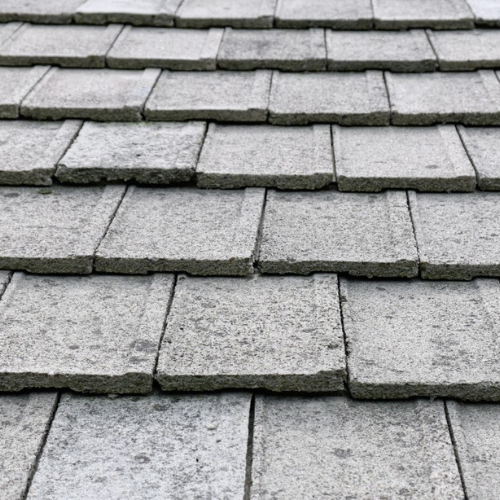
#### Concrete Tile
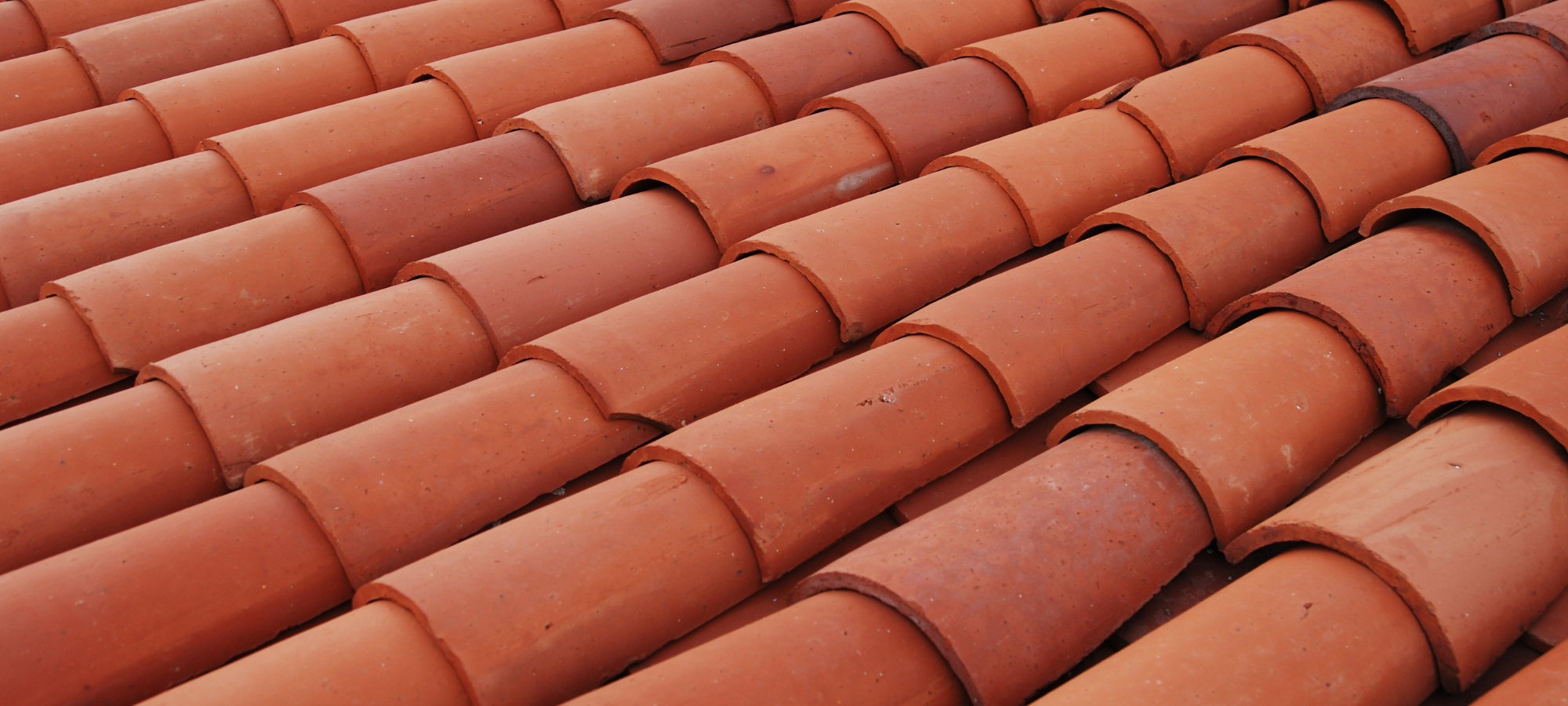
The most common tile material in Florida. Concrete tile is durable, relatively cost-effective compared to clay, and available in a wide range of profiles and colors. It's heavier than clay, which makes structural assessment important — but it's also highly wind-resistant when installed correctly.
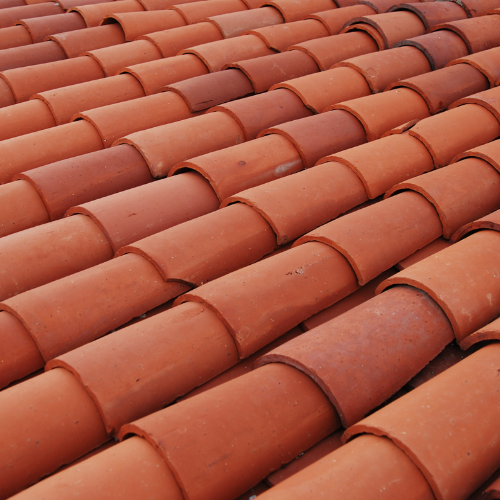
#### Clay Tile
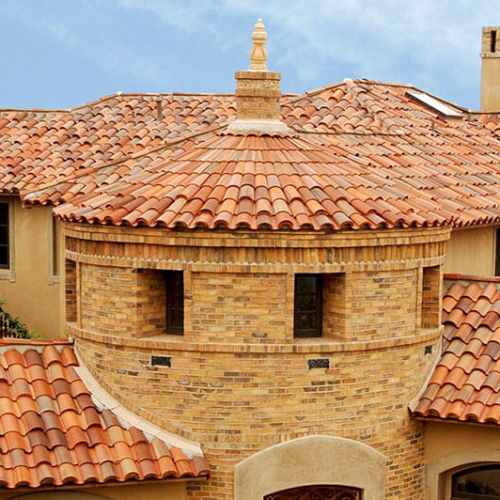
The traditional choice and the one most associated with Mediterranean and Spanish-style Florida architecture. Clay tile is lighter than concrete, extremely long-lasting, and retains its color and appearance exceptionally well over time. It's a premium product with a premium lifespan to match.
## What Tile Installation Actually Requires
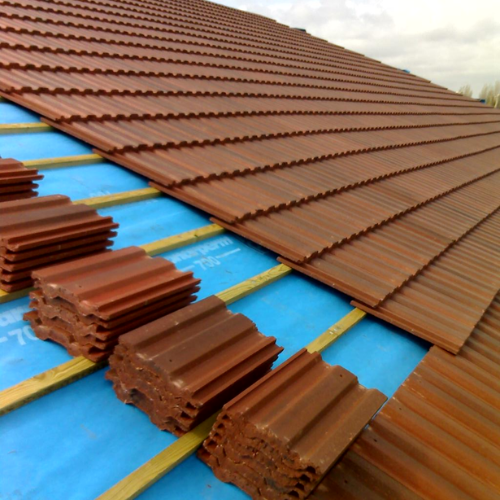
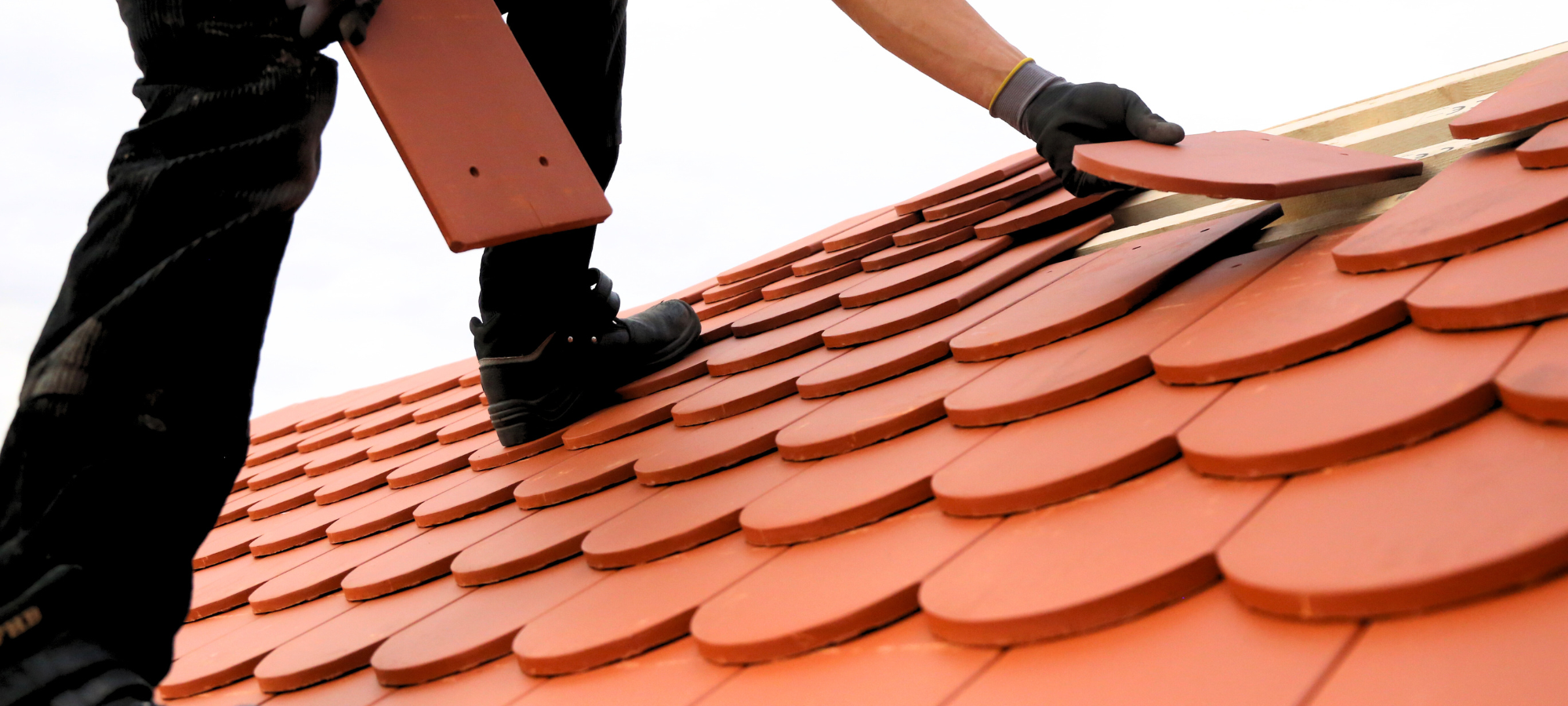
Tile is not a material that tolerates shortcuts. Before installation, we verify that your roof structure can support the load — tile is significantly heavier than shingles or metal. We select the appropriate underlayment system for Florida's climate, install tile to the correct fastening pattern for wind resistance, and detail every hip, ridge, valley, and penetration to the standard the material demands.
Done right, a tile roof is one of the best investments you can make in your home. Done wrong, it creates expensive problems that are difficult to fix.
[ ](https://www.struxroofing.com/hs/cta/wi/redirect?encryptedPayload=AVxigLLxQU6If86I9np8sMs3UTf3PNA%2Fhl0bJlu0daZB29Zz3vzpAMuu6D92728AnLL%2BLL1gMspclyLqK6HGu%2BYiymdmXg2KR8k%2BeoCHx1Qh41ihrFuW1jc6nsvrKn%2BWiJWyufu9z09coeeQ%2Fd7RBrJWdog4&webInteractiveContentId=207932209796&portalId=50838819&hsLang=en)
## Why Tile In Florida
- **Heat performance:** Tile naturally creates an air gap between the material and the deck, allowing heat to dissipate rather than transfer into your attic space. This makes tile one of the most energy-efficient roofing options in hot climates.
- **Longevity: **Concrete and clay tile routinely last 40 to 50+ years when properly installed and maintained. The tiles themselves often outlast the underlayment beneath them.
- **Aesthetic value: **Tile is one of the few roofing materials that adds genuine architectural character to a home. In many Florida neighborhoods, it's also the expected standard — which matters for resale value.
- **Wind resistance:** When fastened correctly, tile roofing meets and exceeds Florida Building Code wind requirements. The weight of the material itself also contributes to its ability to stay put in high-wind events.
- **Low maintenance:** Tile doesn't rot, rust, or suffer from insect damage. Periodic inspections and minor maintenance are all that's needed to keep a tile roof performing for decades
## What to Expect
Tile roofing projects typically take three to five days depending on the size, complexity, and type of tile being installed. We coordinate all material delivery, handle tear-off and disposal if it's a replacement, and review the completed work with you in detail.
[Get Instant Estimate ](https://www.struxroofing.com/contact-us?hsLang=en)
#### Tile Roof FAQs
- [How long does a tile roof last in Florida? ](https://www.struxroofing.com/tile-roofing#)
With proper installation and periodic maintenance, concrete and clay tile roofs routinely last 40 to 50+ years. In many cases, the tiles themselves can last even longer — the underlayment beneath them is usually what needs attention first, typically around the 20 to 25 year mark.
- [Is my home's structure strong enough for tile? ](https://www.struxroofing.com/tile-roofing#)
Not every home can support the weight of tile without reinforcement. Tile is significantly heavier than shingles or metal. Before we start any tile project, we assess the structural capacity of your roof framing and decking. If reinforcement is needed, we'll tell you before anything goes on the roof.
- [What's the difference between concrete and clay tile? ](https://www.struxroofing.com/tile-roofing#)
Concrete tile is heavier, more affordable, and available in a wider variety of profiles and colors. Clay tile is lighter, more expensive, retains its color better over time, and has a distinctive aesthetic that's associated with traditional Florida and Mediterranean architecture. Both are excellent choices — the right one depends on your budget, your home's structure, and the look you're after.
- [Does tile roofing require more maintenance than shingles? ](https://www.struxroofing.com/tile-roofing#)
Tile roofing is relatively low-maintenance, but it does benefit from periodic inspections — especially after major storms. Cracked or displaced tiles should be replaced promptly to prevent water intrusion. The underlayment beneath the tile also has a separate lifespan and may need attention before the tiles themselves do.
- [Can I replace individual broken tiles? ](https://www.struxroofing.com/tile-roofing#)
Yes. One of the advantages of tile roofing is that individual tiles can be replaced without disturbing the rest of the roof. We keep records of the tile profile and color used on every project so that replacements match.
- [Will a tile roof help with my insurance rates? ](https://www.struxroofing.com/tile-roofing#)
In many cases, yes. Tile roofing's durability and wind resistance can qualify you for insurance discounts in Florida. We recommend checking with your provider, and we're happy to supply whatever documentation they need.

##### Our Lifetime Workmanship Warranty isn’t marketing — it’s a promise. If there is a workmanship issue, we come back and fix it at no cost. Period.
#### **Get in Touch**
**Phone:
**386-308-7170
**STRUX Roofing, LLC**
2699 Lee Rd, Suite 505
Winter Park, FL 32789, USA
**License:**
FL Certified Roofing Contractor CCC1331761
**Office Hours:**
Monday – Friday: 8:00 AM – 5:00 PM
Saturday: 9:00 AM – 2:00 PM (by appointment)
Sunday: Closed
[ ](https://www.struxroofing.com/hs/cta/wi/redirect?encryptedPayload=AVxigLLxQU6If86I9np8sMs3UTf3PNA%2Fhl0bJlu0daZB29Zz3vzpAMuu6D92728AnLL%2BLL1gMspclyLqK6HGu%2BYiymdmXg2KR8k%2BeoCHx1Qh41ihrFuW1jc6nsvrKn%2BWiJWyufu9z09coeeQ%2Fd7RBrJWdog4&webInteractiveContentId=207932209796&portalId=50838819&hsLang=en)
## Ready for a Roof That Actually Lasts?
Get a free, no-pressure estimate. We'll assess your current roof, walk you through your shingle options, and recommend what's right for your home — not what's easiest for us to sell.
[Get An Instant Estimate ](https://www.struxroofing.com/contact-us?hsLang=en)
[ Call Us (386) 308-7170 ](tel:+13863087170)
[ ](https://www.struxroofing.com/www.struxroofing.com?hsLang=en)
- [Services](https://www.struxroofing.com/services)
- [Insurance](https://www.struxroofing.com/insurance)
- [Financing](https://www.struxroofing.com/financing)
- [Areas We Serve](https://www.struxroofing.com/locations)
- [About](https://www.struxroofing.com/about-us)
- [Contact Us ](https://www.struxroofing.com/contact-us)
- [Privacy Policy](https://www.struxroofing.com/privacy-policy)
- [Terms & Conditions](https://www.struxroofing.com/terms-conditions)
© 2026 Strux Roofing. All Rights Reserved. FL Licensed #CCC1331761 | Fully Insured | Lifetime Warranty | info@struxroofing.com | 2699 Lee Rd, Suite 505Winter Park, FL 32789, USA
[Facebook ](https://www.facebook.com/p/Strux-Roofing-61587981675419/)[Instagram ](https://www.instagram.com/struxroofing/?utm_source=ig_web_button_share_sheet)
Return to top