
TPO Roofing
Energy-Efficient. Durable. Built for Florida's Commercial Properties.
TPO roofing systems that perform in the heat, hold up under Florida weather, and reduce your long-term energy costs — installed to a standard that doesn't cut corners.
Proudly Serving Central Florida
Roofing Shouldn't Be Complicated.
What TPO Is — and Why It Works in Florida.
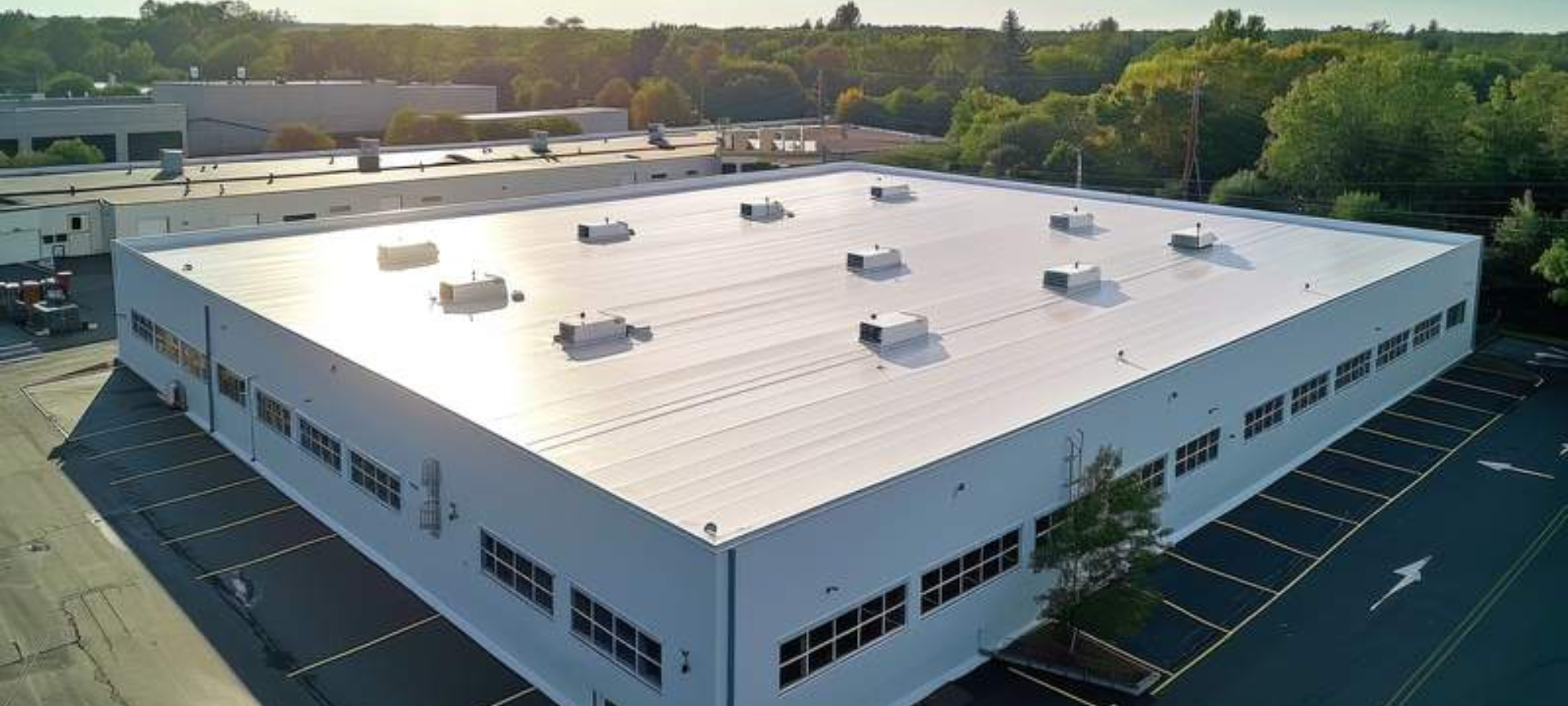
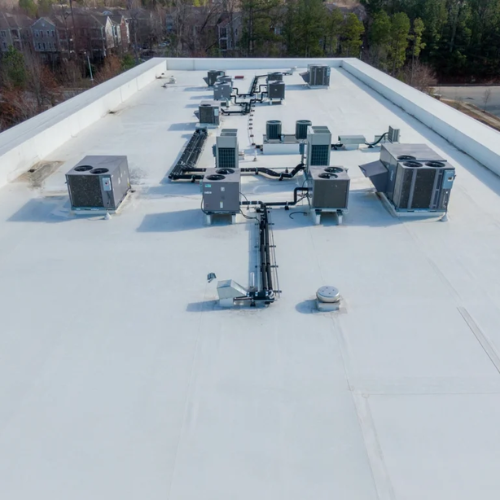
TPO stands for Thermoplastic Polyolefin — a single-ply roofing membrane that has become the dominant choice for low-slope commercial roofing across the country. It's white or light-colored by design, which means it reflects sunlight rather than absorbing it. In a climate where air conditioning runs year-round, that heat reflectivity translates directly into lower energy costs.
Beyond energy efficiency, TPO is durable, flexible, and resistant to the UV degradation, punctures, and chemical exposure that commercial roofs regularly face. When installed correctly
— with properly heat-welded seams and careful attention to every edge, penetration, and drain — it's a system that can last 20 to 30 years with minimal maintenance.
The emphasis is always on "installed correctly." TPO's biggest vulnerability is its seams. A seam that isn't welded properly is a seam that will eventually fail. We weld every seam to manufacturer specification, every time.
Installation Quality Is Everything TPO Is Only as Good as the Crew That Installs It.
There's a reason some TPO roofs fail in five years and others perform for twenty-five. The membrane isn't the variable — the installation is. Every Strux TPO system is installed with:
- Heat-welded seams at the correct temperature and dwell time
- Proper fastening patterns across the field
- Careful flashing at every wall, curb, and penetration
- Correct slope and drainage design to prevent ponding
Is TPO Right for Your Property? TPO works well for retail buildings, warehouses, multi-tenant properties, light industrial facilities, and low-slope new construction or re-roofing projects. If it's not the right fit for your building, we'll tell you that too — and point you toward what is.
TPO Roofing FAQs
-
How long does a TPO roof last?
A properly installed TPO system typically lasts 20 to 30 years. Lifespan depends on installation quality, maintenance, and the specific conditions of the property. We install to a standard that gives your system every chance to reach the top end of that range.
-
How does TPO compare to EPDM?
TPO's main advantages are heat reflectivity and energy efficiency. EPDM's main advantages are its long track record, flexibility in temperature extremes, and durability in certain applications. Both are excellent systems when installed correctly. The right choice depends on your specific property, climate exposure, and priorities — we'll help you compare honestly.
-
What maintenance does a TPO roof require?
TPO is relatively low-maintenance, but it does benefit from periodic inspections and cleaning — especially around drains and penetrations where debris can accumulate. We'll advise you on a reasonable maintenance schedule for your property.
-
Can TPO be installed over an existing roof?
In some cases, yes — depending on the condition of the existing substrate and the local building code. We assess this during our initial inspection and give you a clear recommendation.
-
What happens if a seam fails?
Seam failures are usually the result of improper installation. If a seam issue arises on a roof we installed, it's covered under our Strux Lifetime Workmanship Warranty — we come back and fix it.
-
Do you handle commercial properties of all sizes?
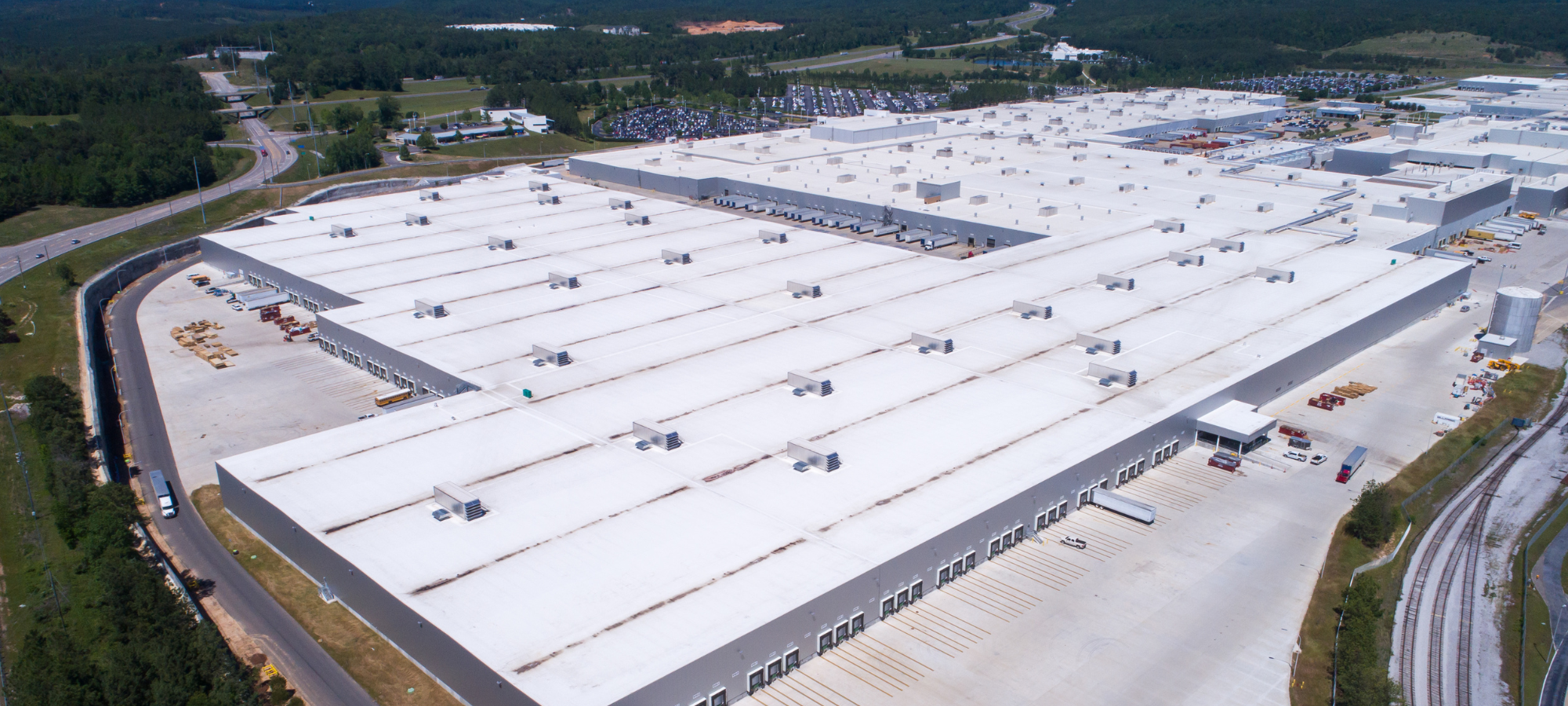
Yes. We work with property owners and managers across Central Florida on commercial projects ranging from small retail units to large-scale warehouse and industrial facilities.
Ready to Talk About Your Commercial Roof?
Get a free, no-obligation assessment from a team that will give you honest answers and a clear scope of work before anything starts.